
Why Calibration Using Standard Rockwell Test Blocks is Critical for Quality Control
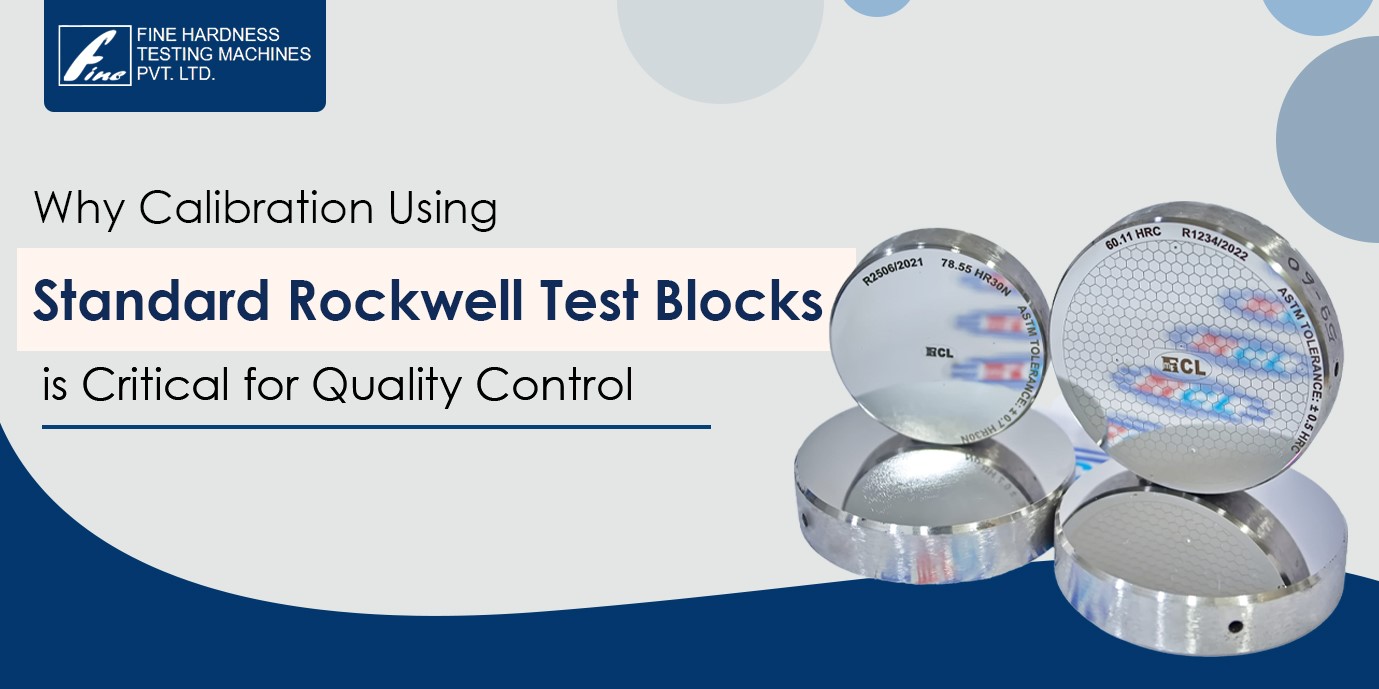
In modern manufacturing and material testing, accuracy is everything. Whether you're working in automotive, aerospace, or heavy engineering, hardness testing plays a crucial role in determining material performance. This is where Standard Rockwell Test Blocks come into play.
Calibration using these test blocks ensures that your hardness testing machines deliver consistent and reliable results. Without proper calibration, even advanced equipment can produce inaccurate readings, leading to serious quality issues.
What Are Standard Rockwell Test Blocks?
Standard Rockwell Test Blocks are certified reference materials with a precisely measured hardness value. They are used to verify and calibrate Rockwell hardness testing machines.
These blocks are manufactured under strict guidelines and comply with international standards such as:
- ASTM standards
- ISO calibration standards
They act as a benchmark to ensure that your testing equipment is functioning correctly.
Why Calibration is Critical for Quality Control
1. Ensures Accurate Test Results
Calibration using Rockwell Test Blocks helps eliminate measurement errors. Accurate hardness values are essential for determining material strength, wear resistance, and durability.
Even minor deviations can lead to incorrect conclusions, affecting product quality.
2. Maintains Consistency in Production
In industries where large volumes of components are produced, consistency is key. Calibration ensures that every hardness test produces uniform results across batches.
This is especially important in:
- Automotive components
- Metal processing industries
- Manufacturing plants
3. Supports Quality Assurance Standards
Most industries follow strict quality control frameworks. Calibration using certified Rockwell Test Blocks helps companies comply with:
- ISO 9001 quality standards
- ASTM testing procedures
This ensures your processes meet global quality requirements.
4. Reduces Risk of Product Failure
Incorrect hardness readings can lead to:
- Weak materials being approved
- Strong materials being rejected
Both scenarios are costly. Calibration minimizes this risk by ensuring accurate testing.
5. Saves Cost and Improves Efficiency
Uncalibrated machines can result in:
- Material wastage
- Rework and rejection
- Customer complaints
Regular calibration using Standard Rockwell Test Blocks improves operational efficiency and reduces unnecessary expenses.
6. Enhances Equipment Reliability
Over time, hardness testing machines may drift from their original accuracy. Calibration helps detect these deviations early and ensures machines operate at optimal performance.
How Calibration Using Rockwell Test Blocks Works
The calibration process involves:
- Placing the Standard Rockwell Test Block on the testing machine
- Performing a hardness test
- Comparing the measured value with the certified value
- Adjusting the machine if deviations are found
This process ensures that the machine remains within acceptable tolerance limits.
How Often Should You Calibrate?
Calibration frequency depends on usage, but general recommendations include:
- Daily verification for high-usage machines
- Weekly or monthly calibration for moderate use
- Annual certification for compliance
Regular checks ensure continuous accuracy and reliability.
Industries That Depend on Rockwell Calibration
Calibration using Standard Rockwell Test Blocks is widely used in:
- Automotive industry
- Aerospace engineering
- Metal fabrication
- Heat treatment plants
- Quality testing laboratories
Common Mistakes to Avoid
- Using worn-out or damaged test blocks
- Skipping regular calibration schedules
- Not maintaining proper storage conditions
- Using uncertified test blocks
Avoiding these mistakes ensures long-term testing accuracy.
Conclusion
Calibration using Standard Rockwell Test Blocks is not just a routine procedure—it is a critical component of effective quality control. It ensures accuracy, consistency, compliance, and cost-efficiency across manufacturing processes.
For any industry relying on hardness testing, regular calibration is essential to maintain product integrity and meet global standards.