
What Are Standard Vickers Test Blocks and Why Are They Important in Hardness Testing?
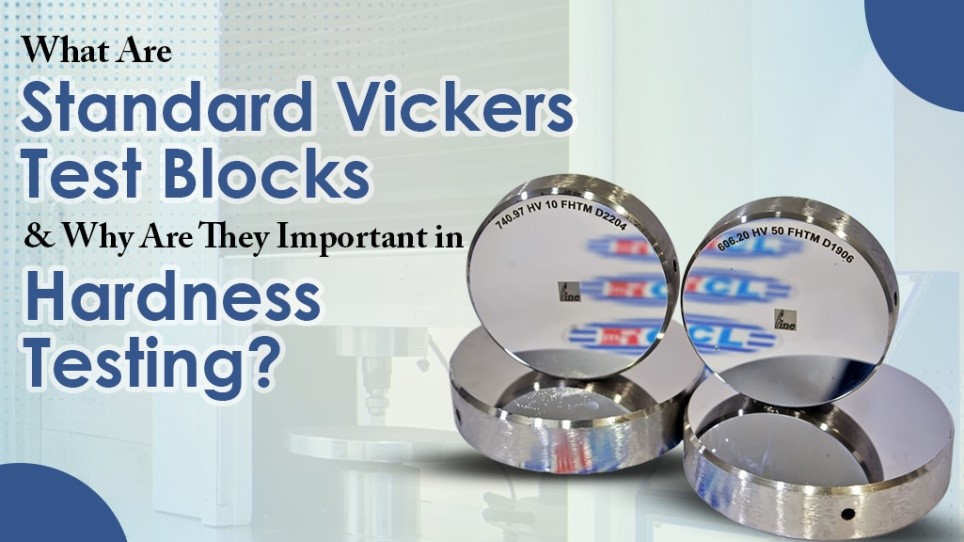
Hardness testing plays a critical role in ensuring material quality and performance across industries such as automotive, aerospace, manufacturing, and metallurgy. Among the different hardness testing methods, the Vickers hardness test is widely used for its accuracy and versatility.
To maintain testing accuracy, laboratories and industries rely on Standard Vickers Test Blocks , which serve as calibration and verification tools. In this article, we explain what Vickers test blocks are and why they are essential in hardness testing.
What Are Standard Vickers Test Blocks?
Standard Vickers Test Blocks are specially manufactured metal blocks with a certified hardness value, used to calibrate and verify Vickers hardness testing machines. These blocks are produced under strict quality standards and tested using certified reference equipment to ensure reliable hardness values.
Key Features
- Precisely certified hardness value
- High surface finish for accurate indentation
- Traceable to international standards
- Available in different hardness ranges
- Suitable for micro and macro Vickers testing
What Is the Vickers Hardness Test?
The Vickers hardness test measures material hardness by pressing a diamond pyramid indenter into the surface under a specific load. The size of the indentation is measured and converted into a hardness value (HV).
The Method Is Suitable For:
- Thin materials
- Coatings
- Small components
- Hard and soft metals
- Microstructure analysis
Why Are Standard Vickers Test Blocks Important?
1. Ensures Testing Accuracy
Test blocks verify whether a hardness testing machine is giving correct readings.
2. Machine Calibration
Regular calibration using certified blocks ensures machines remain accurate over time.
3. Compliance with Standards
Industries must comply with standards like:
- ISO 6507
- ASTM E92 / E384
- NABL and other laboratory requirements
4. Quality Control Assurance
Accurate hardness measurement ensures product quality and reduces rejection rates.
5. Prevents Testing Errors
Machine wear, vibration, or improper setup may affect readings. Test blocks help detect such issues early.
Industries Using Vickers Test Blocks
- Metallurgical laboratories
- Automotive manufacturing
- Aerospace component testing
- Tool and die manufacturing
- Heat treatment plants
- Research institutions
- Quality inspection labs
How Often Should Test Blocks Be Used?
Experts recommend:- Verification at the start of each testing shift
- Regular calibration checks
- After machine relocation or maintenance
- When inconsistent readings appear
Conclusion
Standard Vickers Test Blocks are essential tools for maintaining accuracy in hardness testing. They help industries achieve reliable results, meet quality standards, and ensure product consistency.
Without proper calibration using certified blocks, hardness measurements may become unreliable, affecting overall product quality and compliance.